Wholesale Natural Products from Trusted Manufacturers - Quality & Value
As a B2B purchaser, I'm always on the lookout for high-quality, natural products that can meet the demands of my clients. That's why I rely on wholesale natural products from trusted manufacturers who prioritize sustainability and quality. These products not only align with current market trends but also cater to a growing consumer preference for organic and eco-friendly solutions. I appreciate that the manufacturers I work with offer a diverse range of natural items, ensuring that I can find exactly what I need at competitive prices. Their commitment to quality control gives me confidence that I’m providing my customers with the best available options. This is crucial for maintaining long-term partnerships and staying ahead in the market. Partnering with reputable manufacturers means I can easily source natural products in bulk, keeping my inventory fresh and appealing. Let's enhance our offerings together with these natural solutions that resonate with today’s conscious consumers!
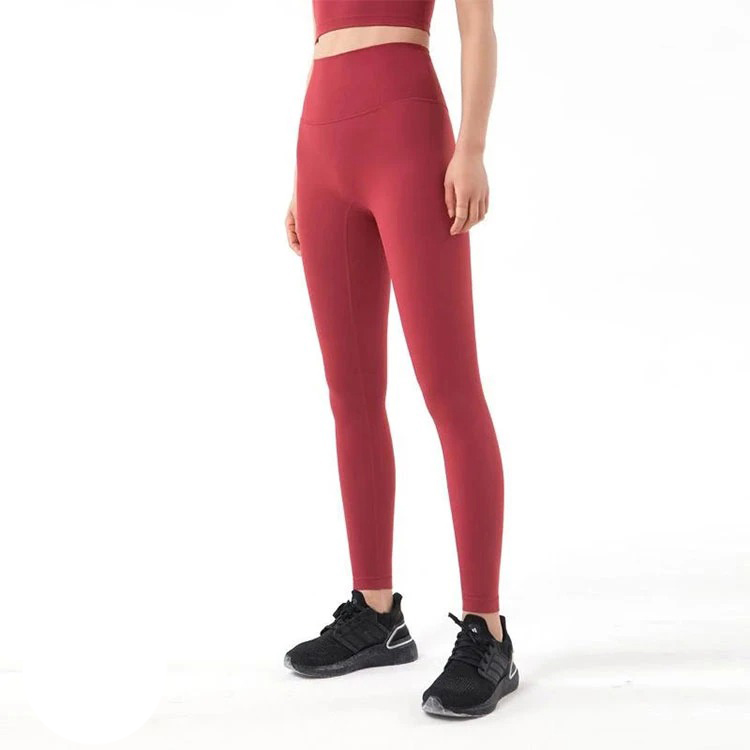
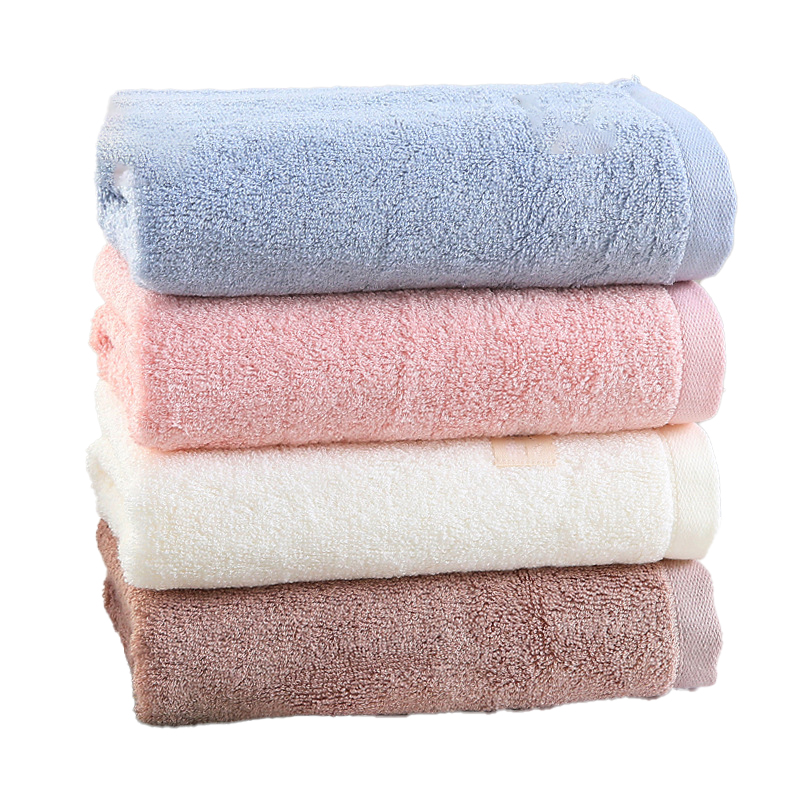
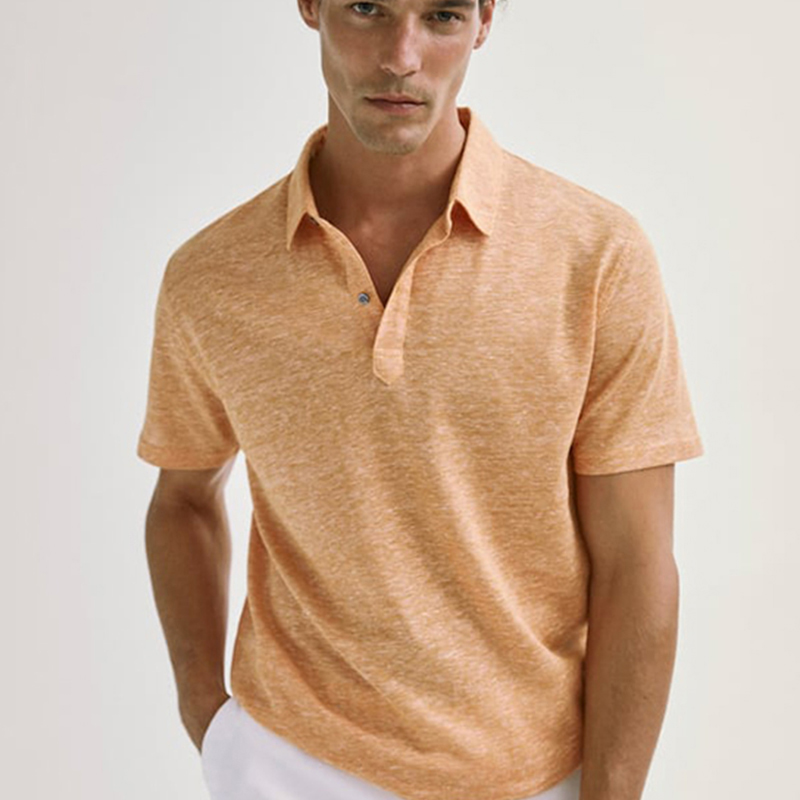
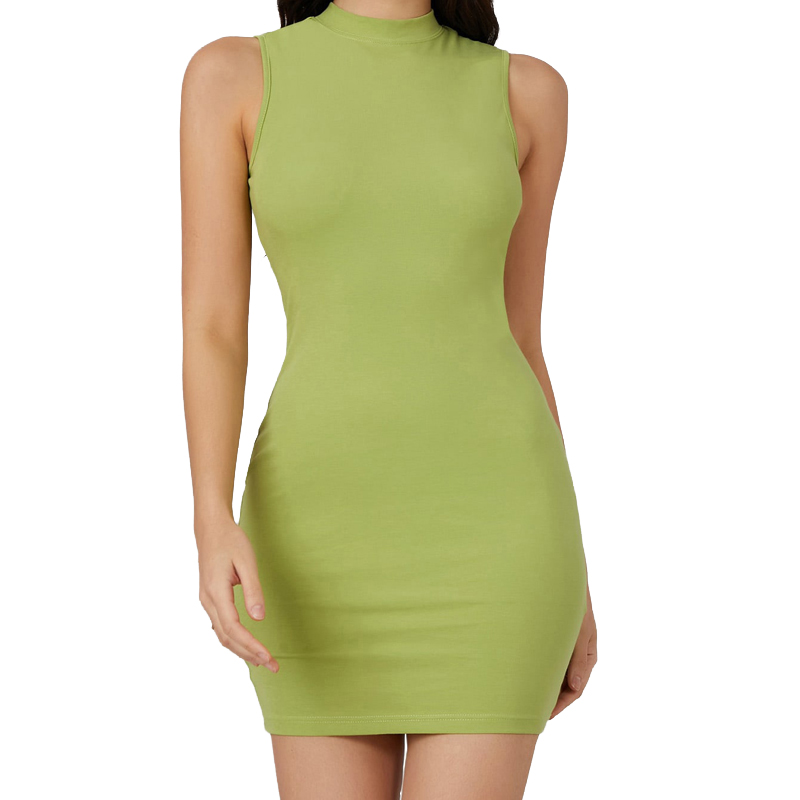


natural Manufacturer in 2025
As we look towards 2025, the global manufacturing landscape is undergoing a significant transformation, driven by an increasing demand for sustainable and eco-friendly products. Natural fabric manufacturers are stepping up to meet these needs, providing innovative solutions that cater to environmentally-conscious consumers. This shift represents a pivotal moment for procurement professionals seeking reliable partners committed to sustainability and quality. In this evolving market, manufacturers are not only focusing on traditional fabrics but are also expanding their offerings to include organic cotton, bamboo, and other sustainable materials. These fabrics are not just good for the environment; they are also durable, high-quality, and versatile, making them ideal for a variety of applications, from fashion to home textiles. With the growing awareness of climate change and environmental issues, the demand for such natural products is expected to increase significantly. For global buyers, partnering with dedicated manufacturers is crucial to ensuring a consistent supply of high-quality, eco-friendly materials. By collaborating with suppliers who prioritize sustainable practices, businesses can enhance their brand image, meet regulatory requirements, and ultimately attract a broader customer base. As we approach 2025, investing in sustainable manufacturing is not just an ethical choice; it is a strategic move that aligns with the future of global commerce.
Natural Manufacturer in 2025
| Category | Material Type | Sustainability Rating | Production Process | Region | Year Established |
|---|---|---|---|---|---|
| Textiles | Organic Cotton | A+ | Waterless Dyeing | North America | 2015 |
| Cosmetics | Plant-Based Oils | A | Cold Pressed | Europe | 2010 |
| Food | Superfoods | A+ | Non-GMO Processing | South America | 2018 |
| Packaging | Biodegradable Plastics | A++ | Renewable Sources | Asia | 2020 |
| Furniture | Reclaimed Wood | A+ | Eco-Friendly Finishing | Australia | 2016 |
Related Products
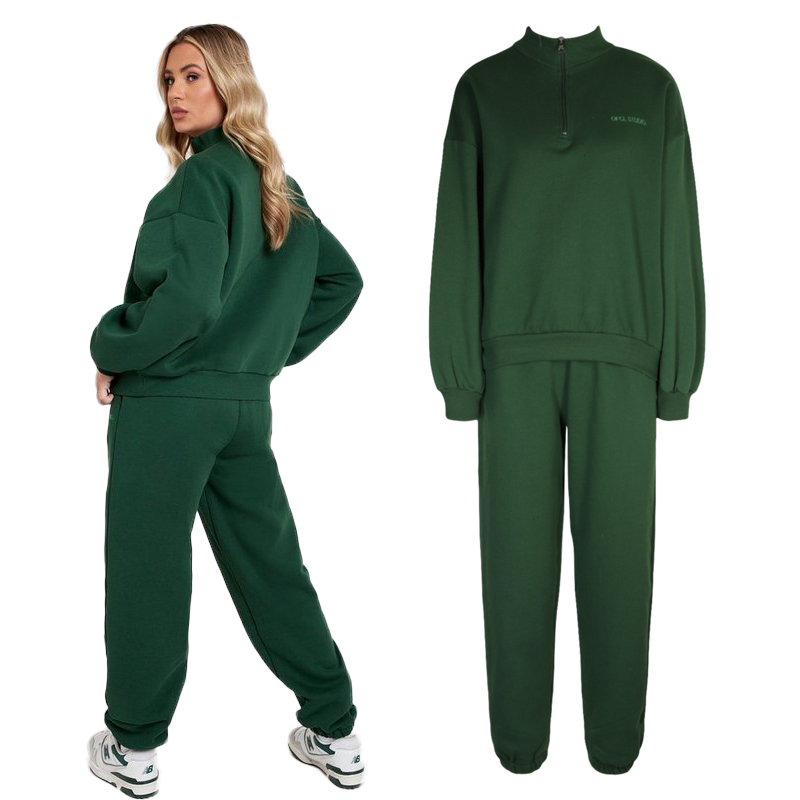

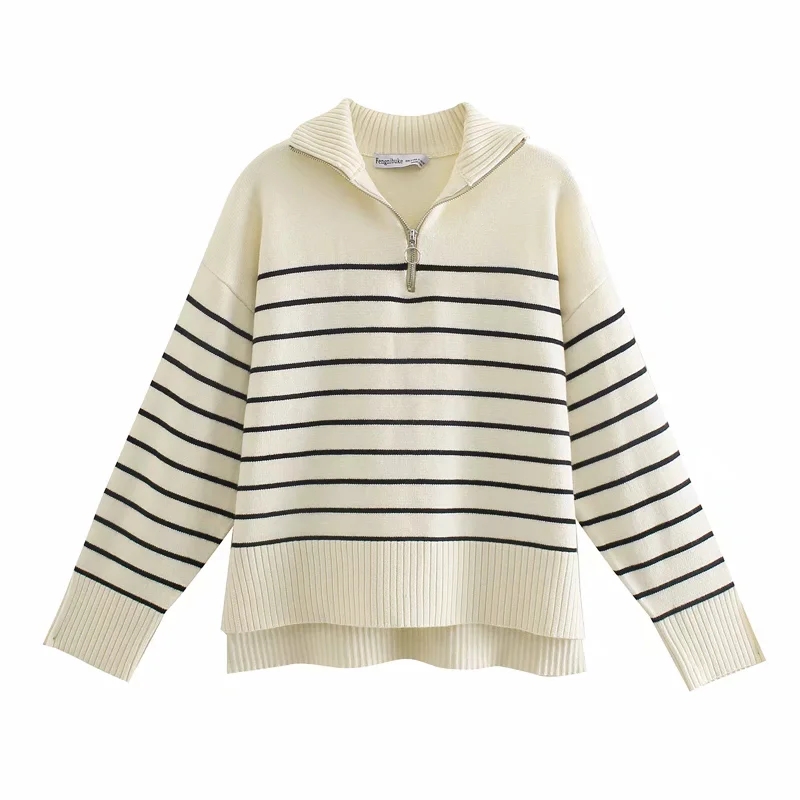
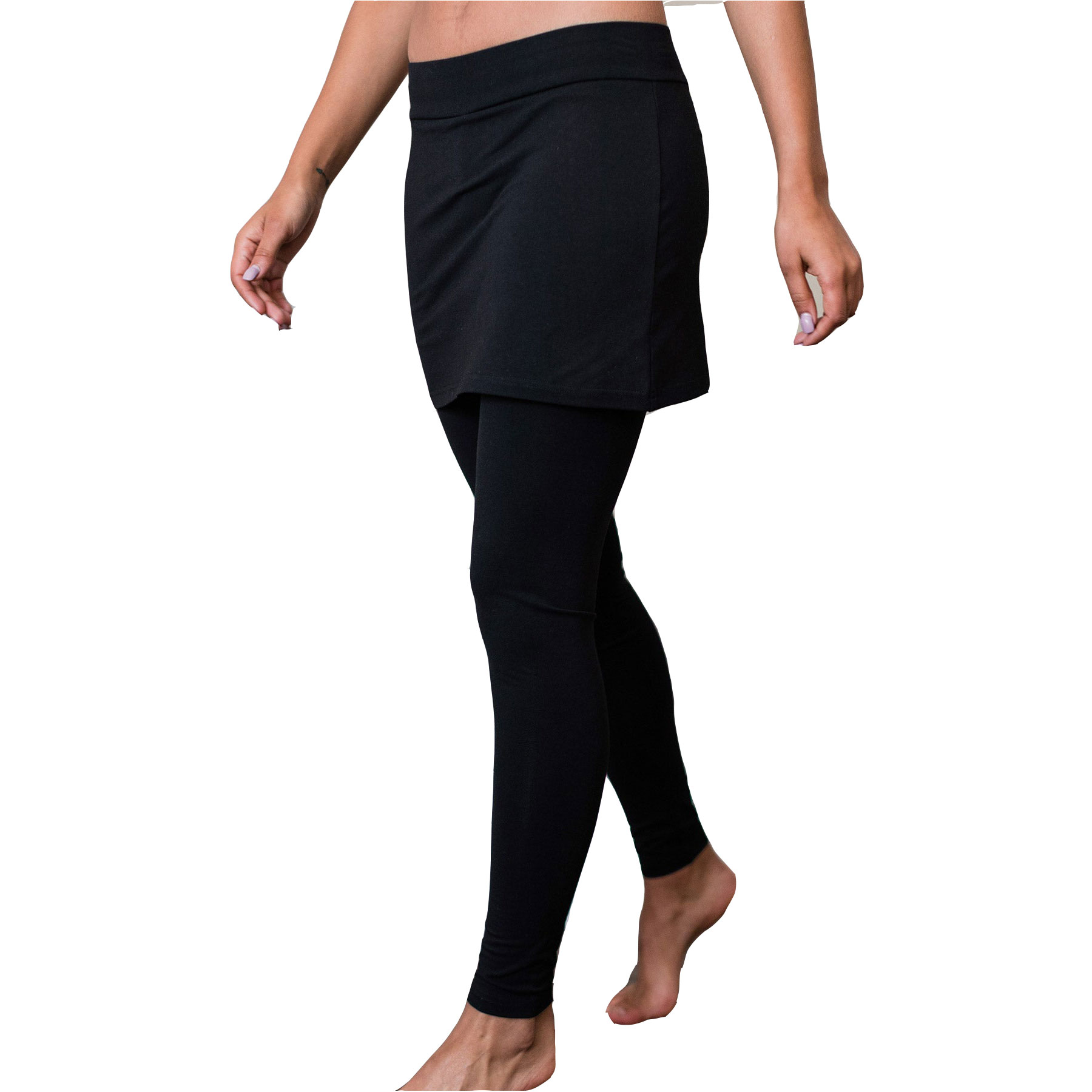
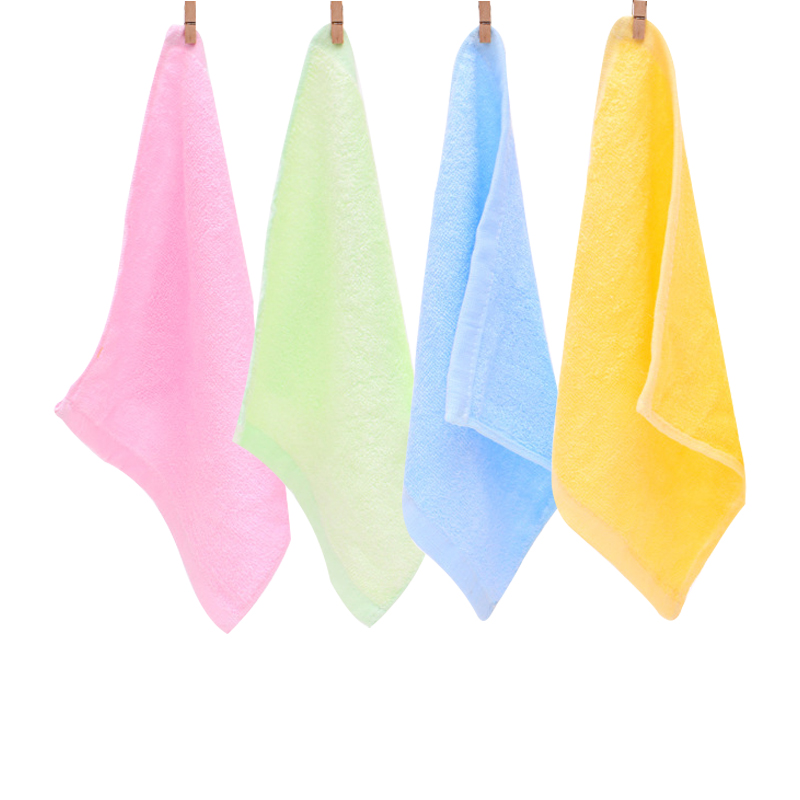
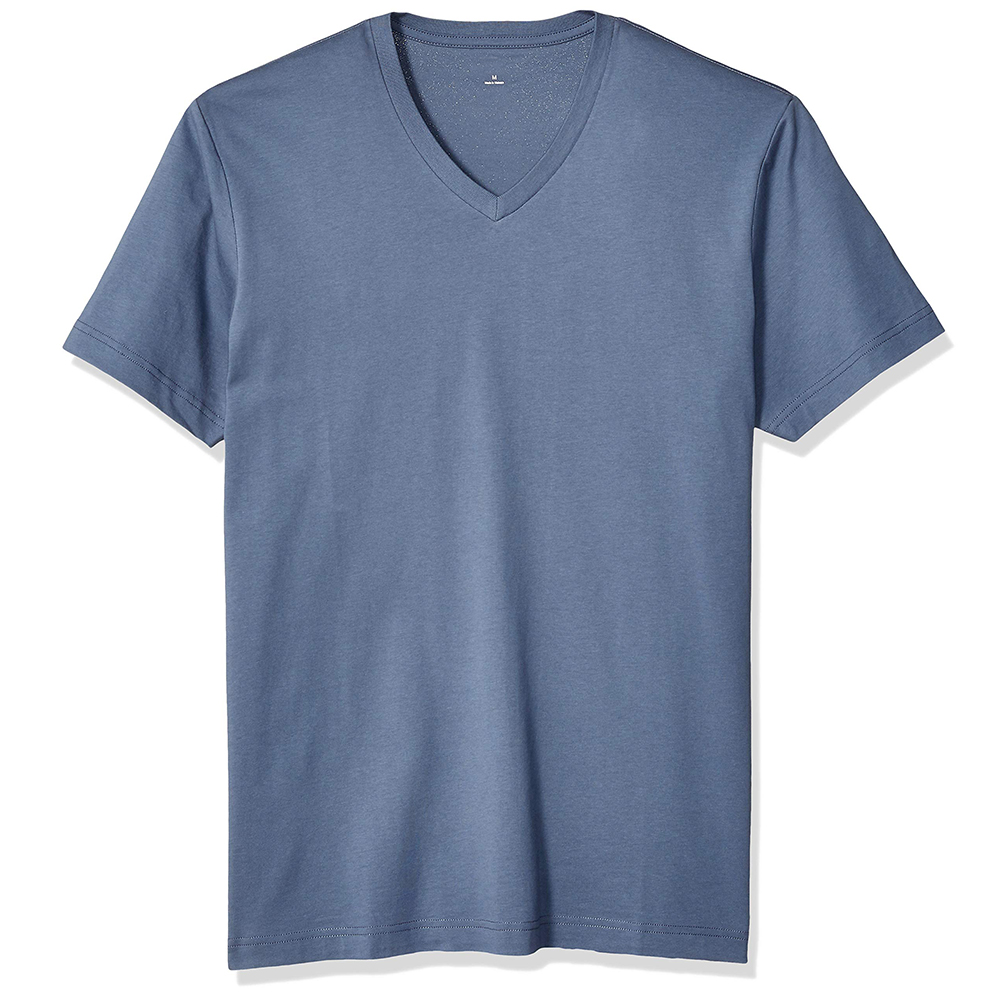

natural Exceeds Industry Benchmarks Manufacturers You Can Rely On
Top Selling Products
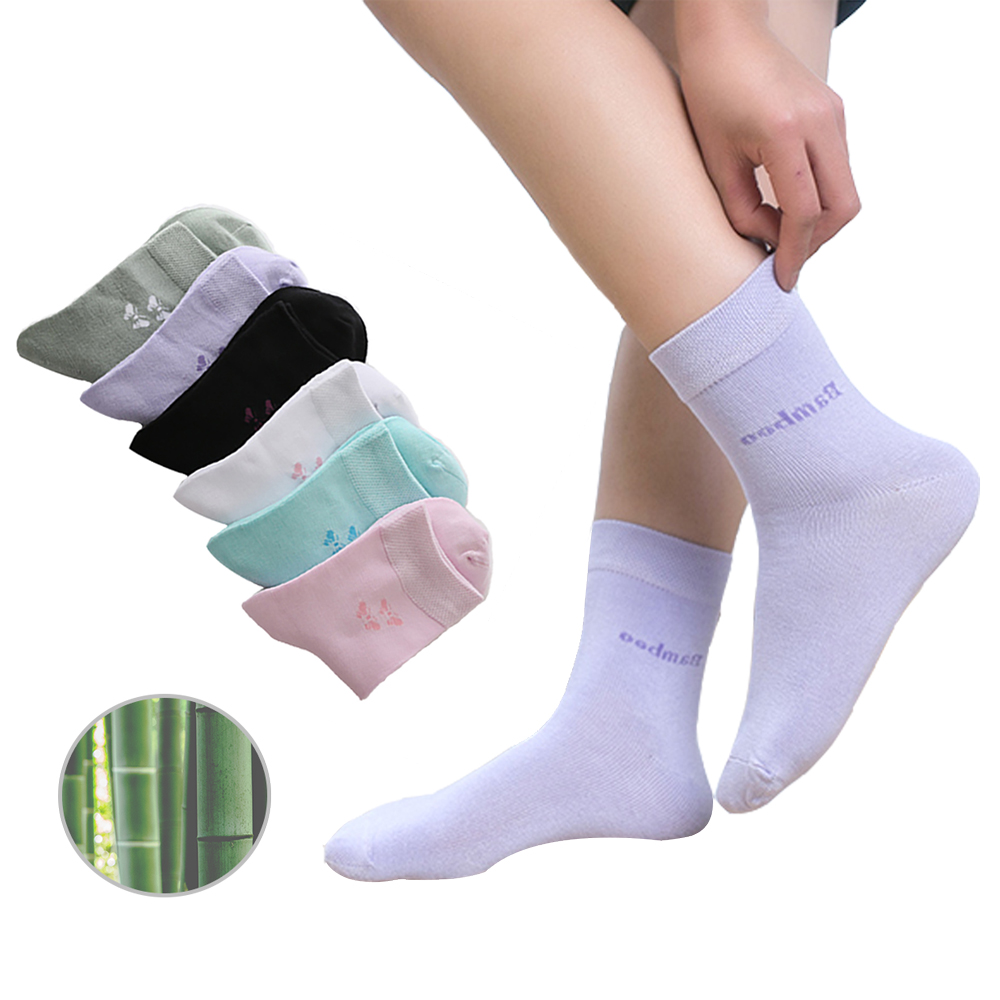

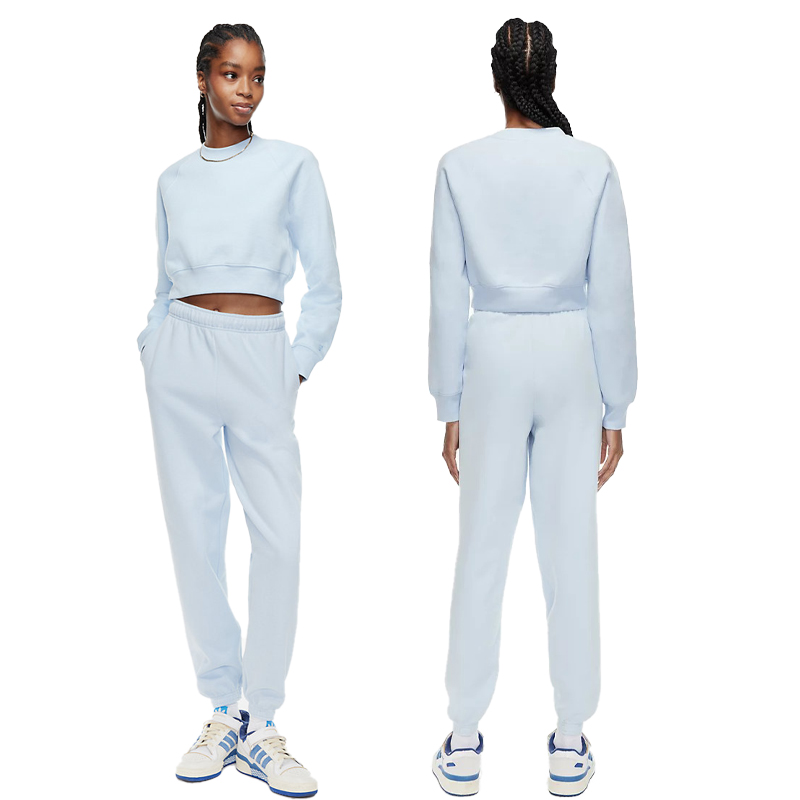
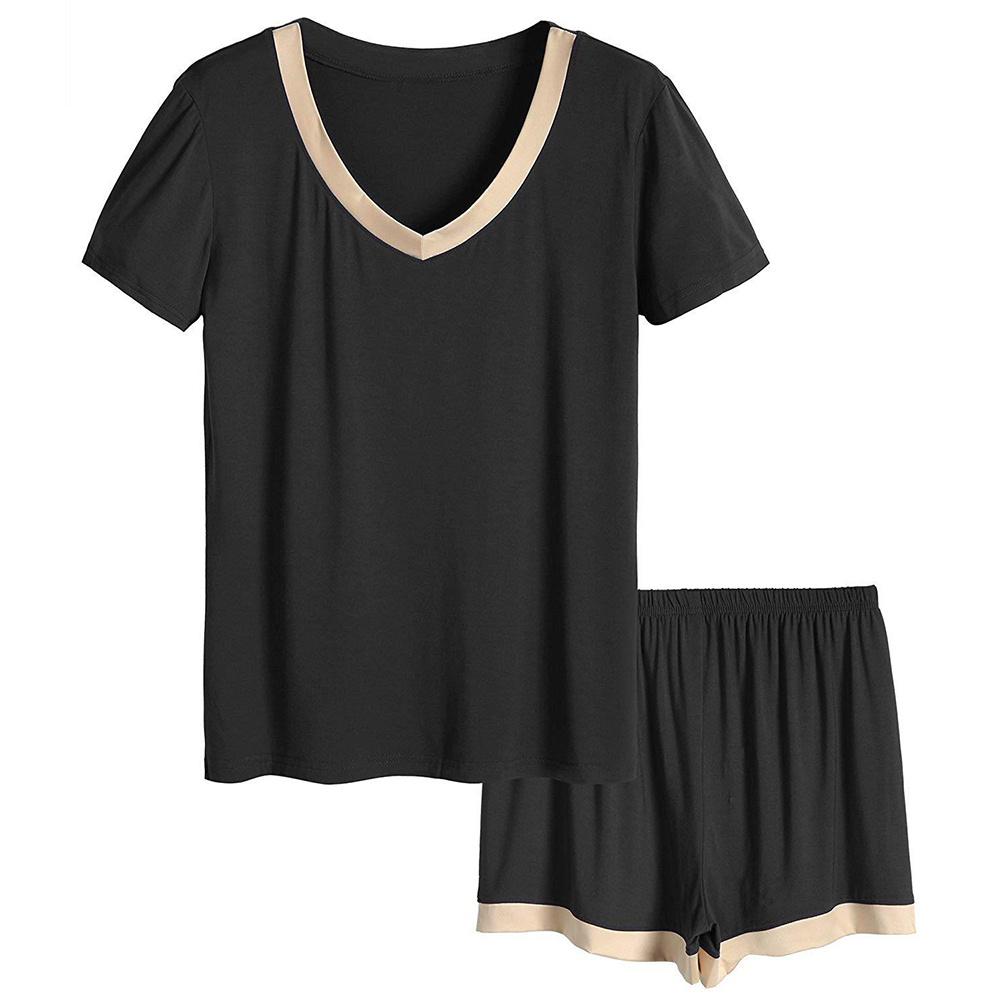

- Related Blog
- Reviews
- Reviews

-

Contact
-

E-mail
-

Our WhatsApp
-

Top