High-Quality Sustainable Materials from Trusted Suppliers
When I'm sourcing high-quality sustainable materials for our projects, I prioritize suppliers who share my commitment to the environment. Each material we offer is carefully selected, ensuring it meets both durability standards and eco-friendly criteria. I’ve found that working with trusted suppliers not only enhances our product integrity but also supports the growing demand for sustainable solutions in today’s market. The textures and finishes we provide are not just visually appealing but also come with the assurance of sustainability. I truly believe that investing in high-quality materials is essential for any business looking to stand out. By choosing these sustainable options, we’re not only making a positive impact on the planet but also meeting the needs of conscious consumers. Let’s embrace the future together with materials that reflect our values and drive success in a competitive marketplace.


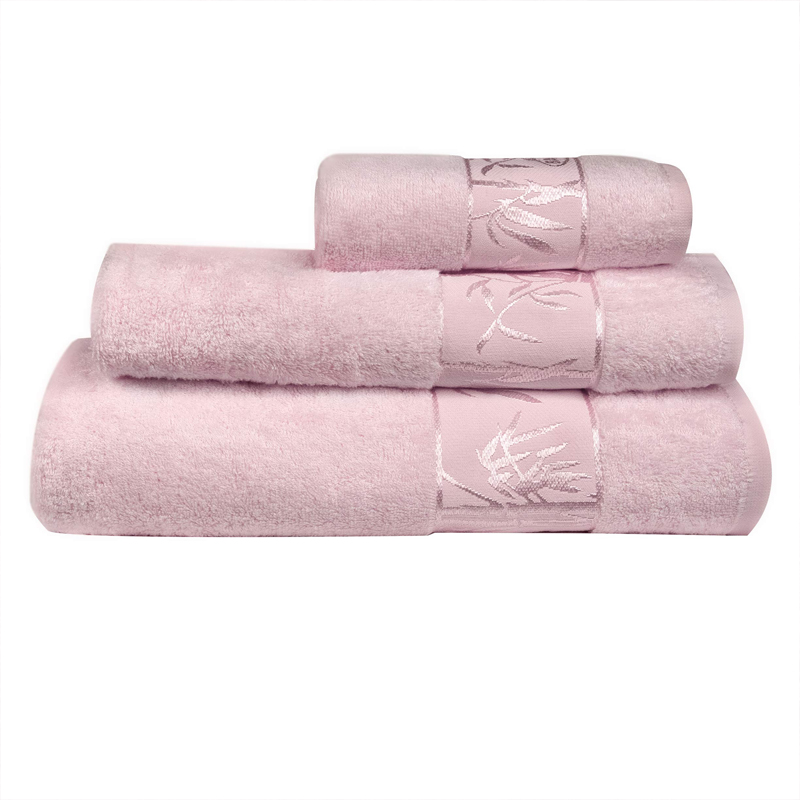


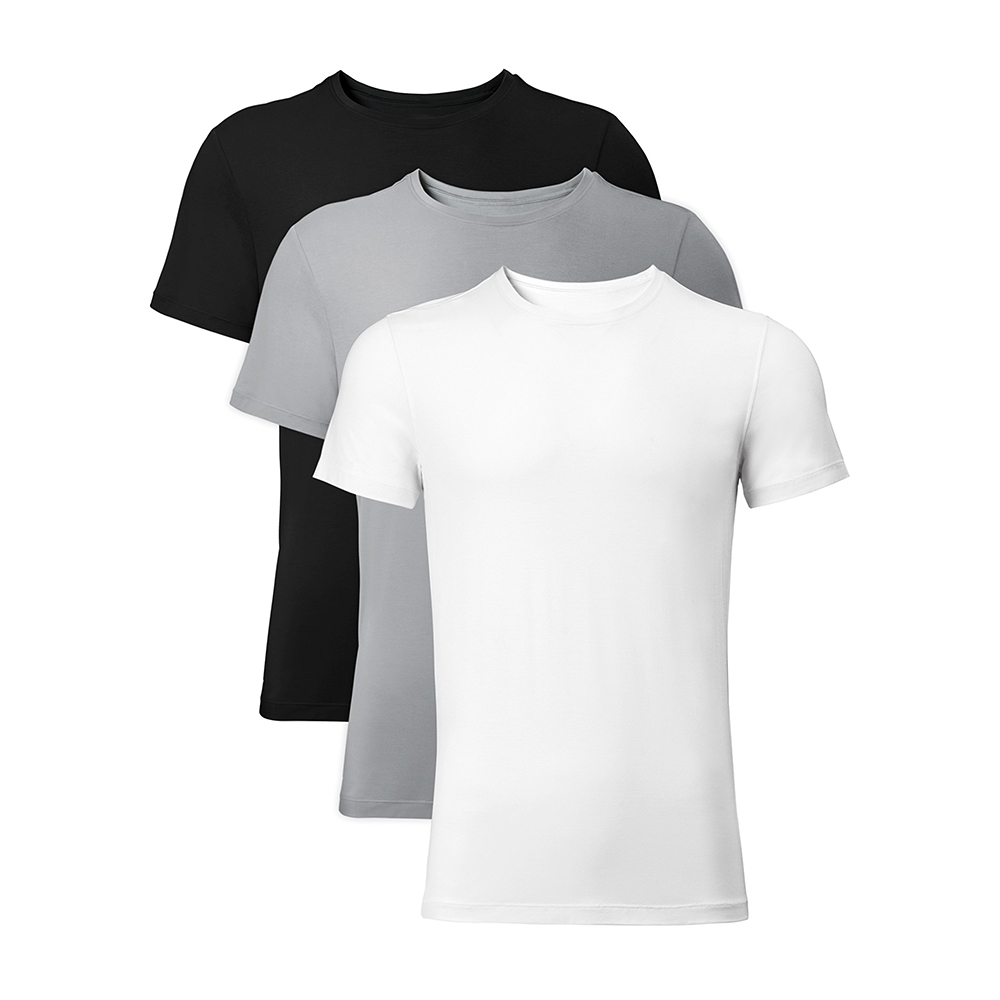
sustainable materials Market Leader Global Reach
In recent years, the demand for sustainable materials has surged dramatically as global industries strive to minimize their environmental impact. Companies are increasingly turning towards eco-friendly alternatives that not only contribute to a healthier planet but also appeal to the growing base of environmentally conscious consumers. As the sustainable materials market continues to expand, businesses engaging in international trade find it crucial to establish partnerships with suppliers that prioritize innovative and sustainable practices. One of the driving forces behind the success of sustainable materials is their ability to meet stringent regulations and consumer expectations across different regions. By sourcing products that utilize biodegradable and recycled components, companies can enhance their brand reputation and ensure compliance with evolving international standards. This approach not only opens doors to a broader clientele but also positions firms as leaders in corporate social responsibility, a factor that can significantly influence purchasing decisions. Furthermore, embracing sustainable materials has proven to be economically advantageous. As more industries pivot towards sustainability, the potential for greater market share grows. Partnering with suppliers committed to eco-friendly practices enables businesses to tap into new markets and foster long-term relationships with buyers who share similar values. This strategic alignment not only drives sales growth but also contributes to a more sustainable future, ensuring that businesses can thrive while promoting a healthier environment.
Sustainable Materials Market Leader Global Reach
| Material Type | Global Market Share (%) | Application Sector | Sustainability Index | Year Established |
|---|---|---|---|---|
| Biodegradable Plastics | 28% | Packaging | 8.5 | 2010 |
| Recycled Metals | 35% | Construction | 9.2 | 2005 |
| Sustainable Textiles | 22% | Apparel | 8.8 | 2015 |
| Compostable Materials | 15% | Food Packaging | 9.0 | 2012 |
| Hemp-Based Materials | 10% | Construction, Textiles | 8.7 | 2018 |
Related Products


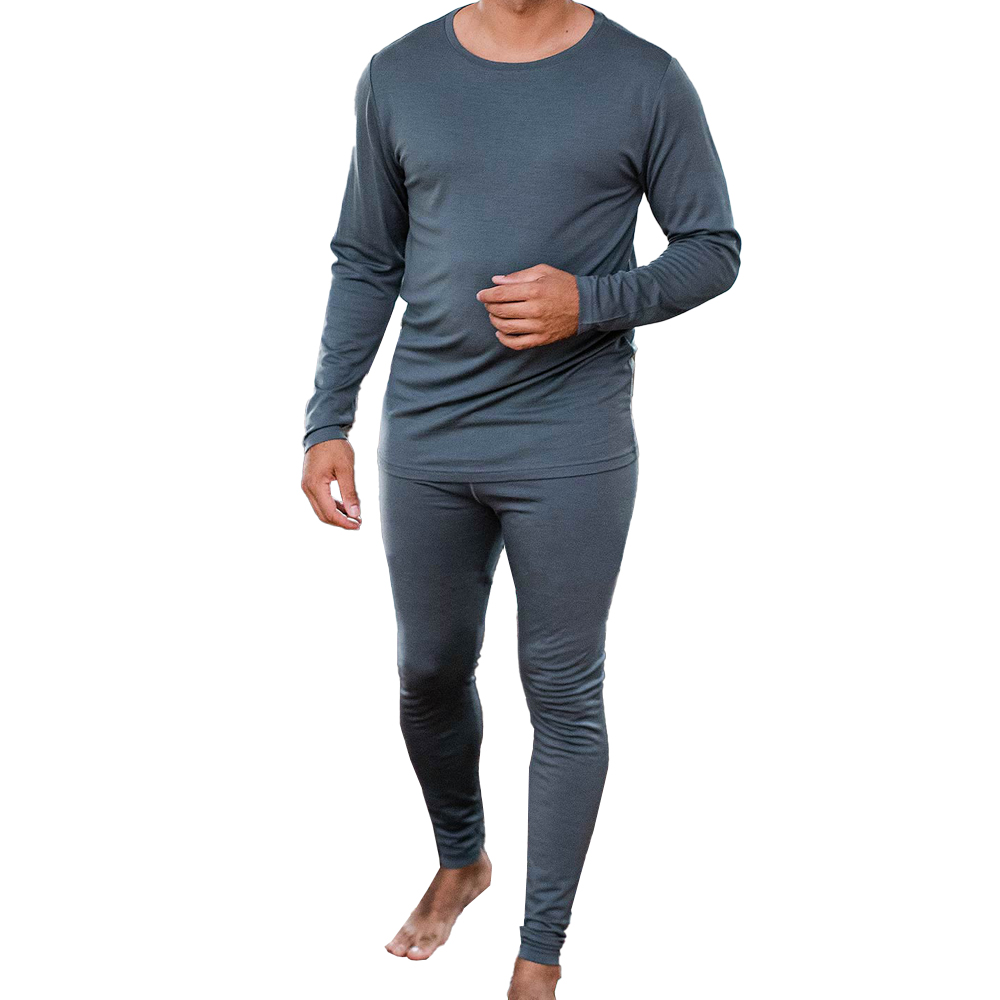
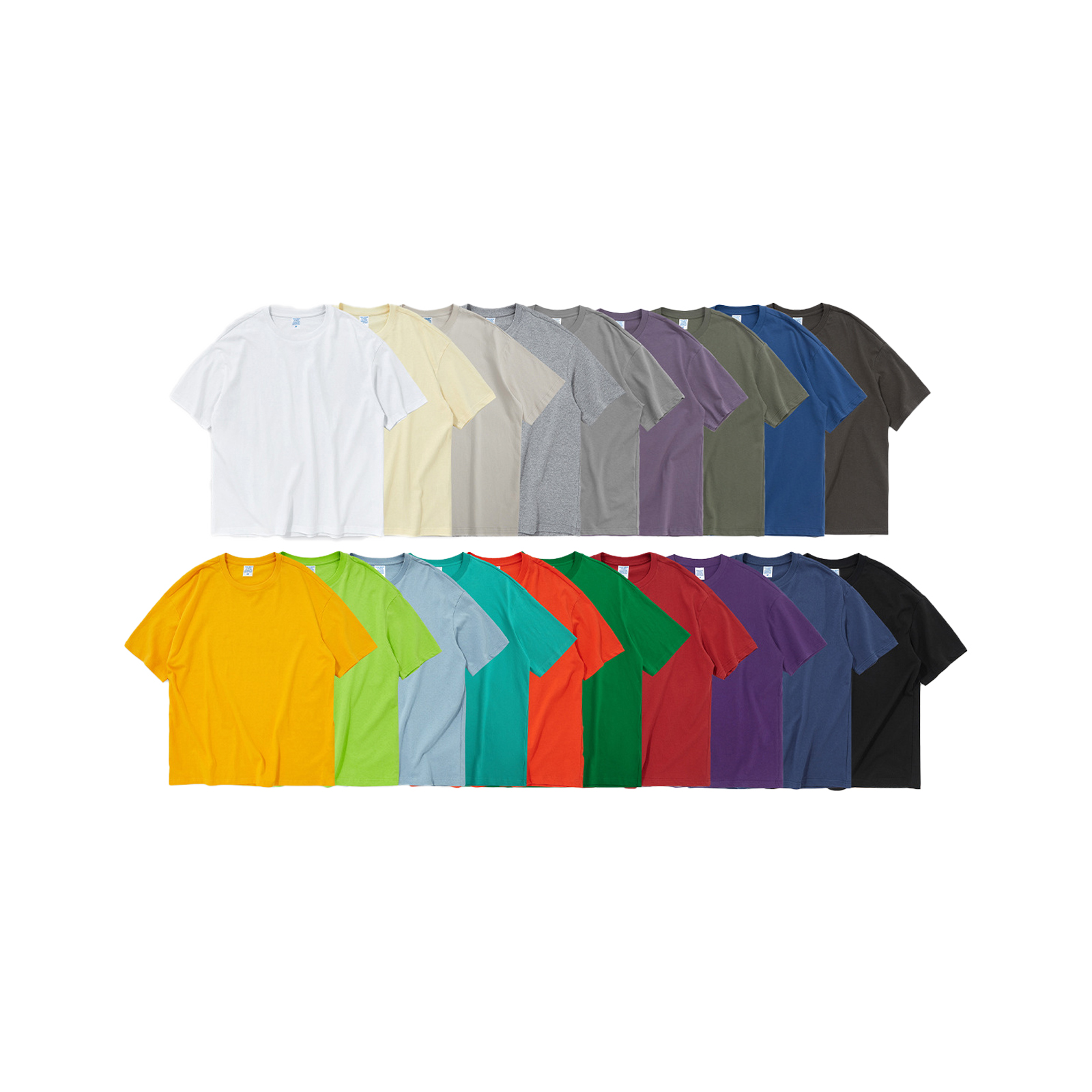
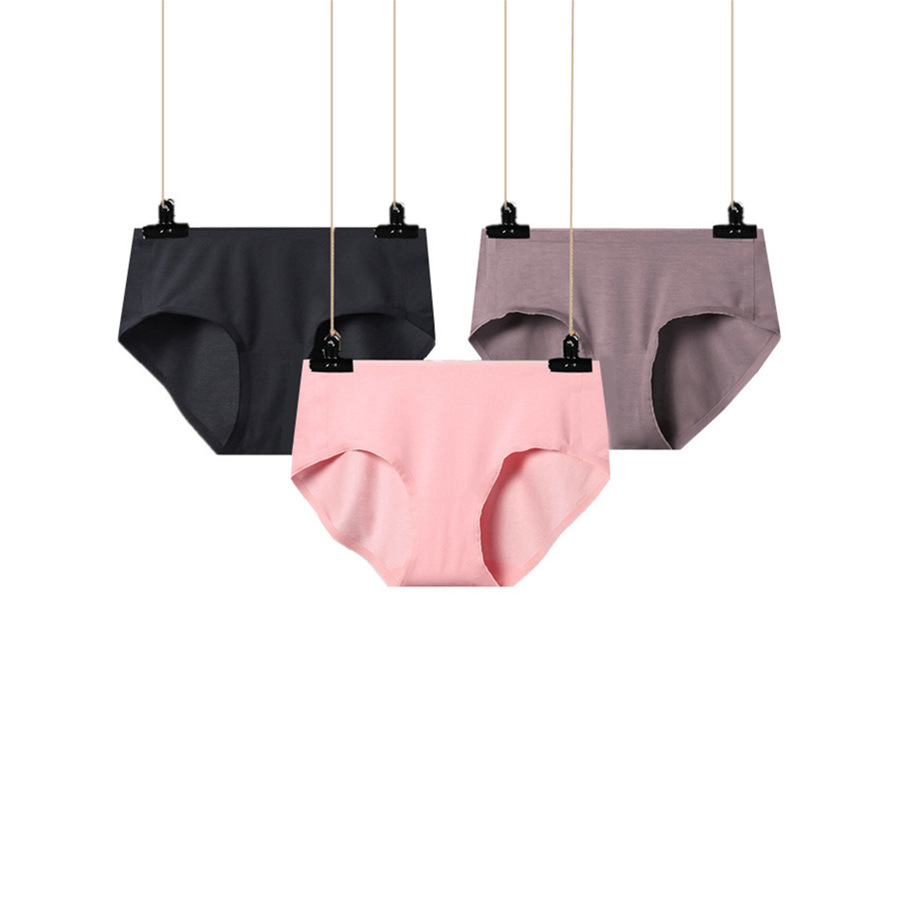


sustainable materials Now Trending Where Innovation Meets 2025
Top Selling Products



- Related Blog
- Reviews
- Reviews

-

Contact
-

E-mail
-

Our WhatsApp
-

Top